



Get in touch.
Treating neuropathic pain at the source.
For some people, the lightest touch, like clothing brushing against skin or a light breeze, causes pain. Allothera is developing the only program targeting the biology behind touch-evoked pain.
Pain that no existing treatment was designed to tackle.
No approved treatment targets the mechanism behind mechanical allodynia & hyperalgesia, the touch-evoked pain that makes everyday contact unbearable for patients with post-herpetic neuralgia and other neuropathic conditions.
Existing options like opioids, pregabalin, or duloxetine were not designed for mechanical hypersensitivity. At best, they provide partial, temporary relief. At worst, they add significant side-effect burden, including broad pain suppression and risk of addiction.
neuropathic pain cases estimated globally (2026)
of neuropathic pain patients have mechanical allodynia
of allodynia cases occur in post-herpetic neuralgia

The only program targeting the biology behind touch-evoked pain.
In patients with neuropathic pain and mechanical allodynia, the response to everyday touch is amplified beyond normal to cause pain. STOML3 is a protein that interacts with touch channels to regulate the strength of this response. Modulating its activity has been shown to decrease the exaggerated pain response.
Allothera is developing a small-molecule STOML3 modulator shown to reverse mechanical hypersensitivity in vivo. Allothera’s aim is an oral therapy that restores normal touch signaling without suppressing sensation.
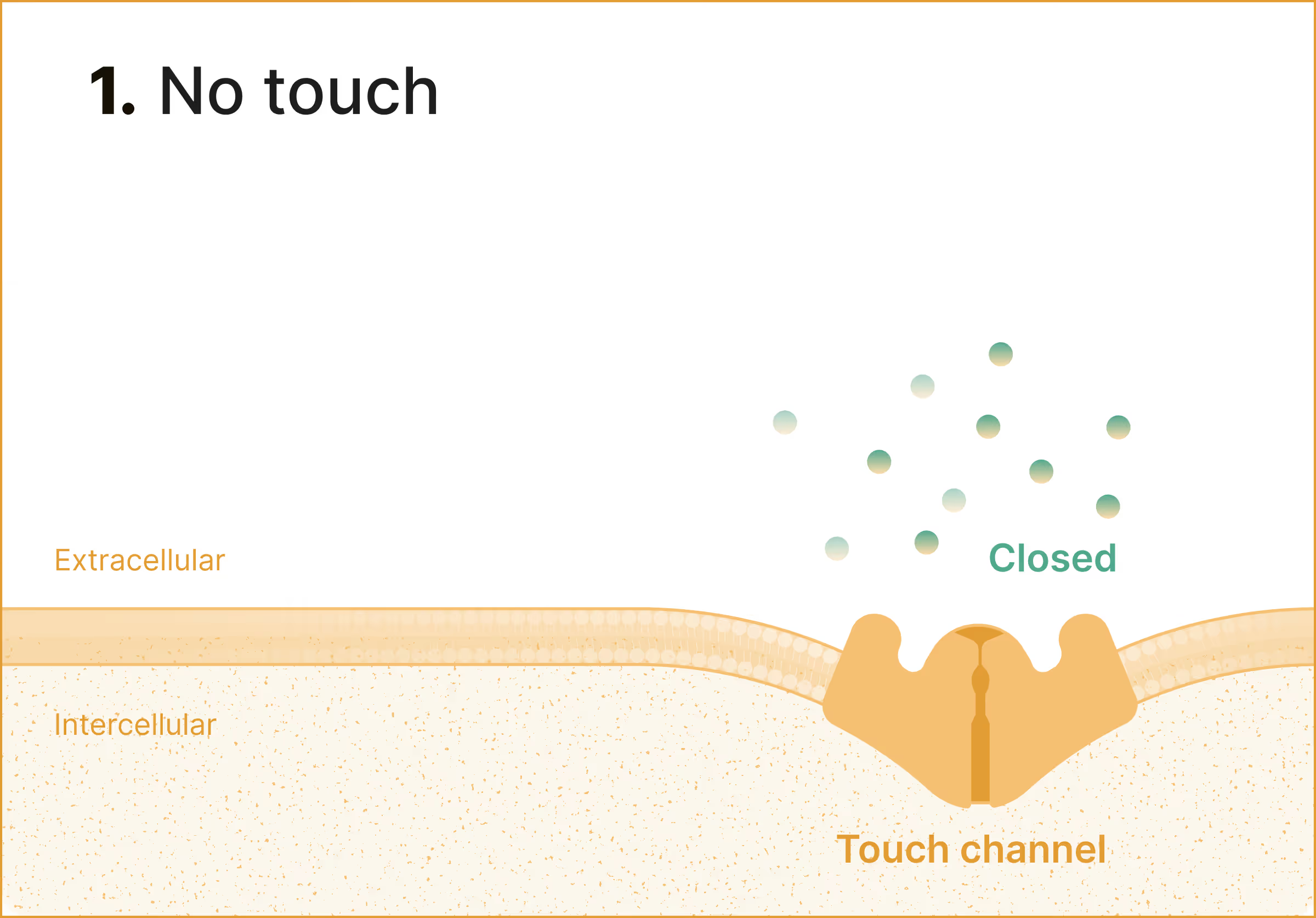
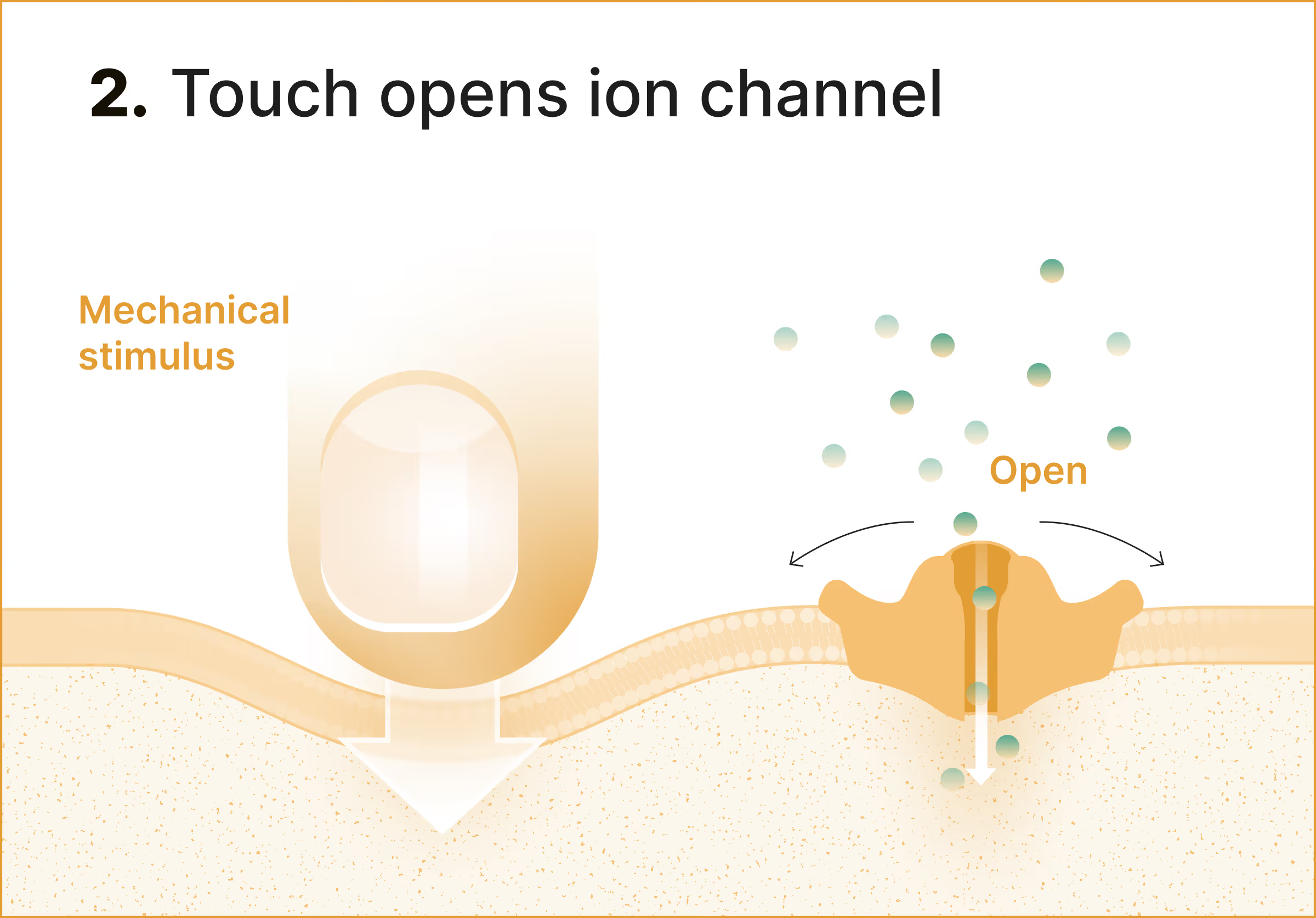
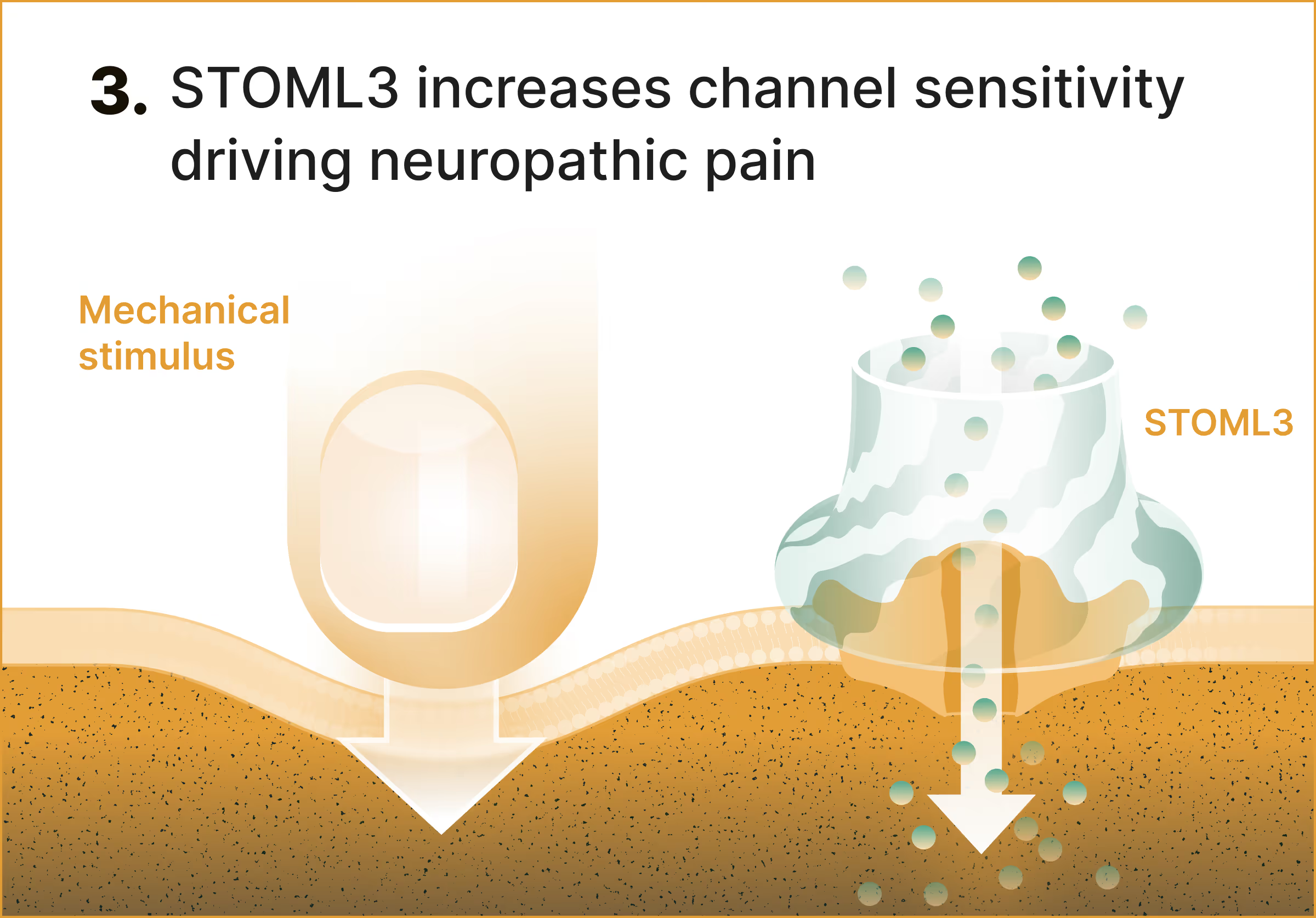
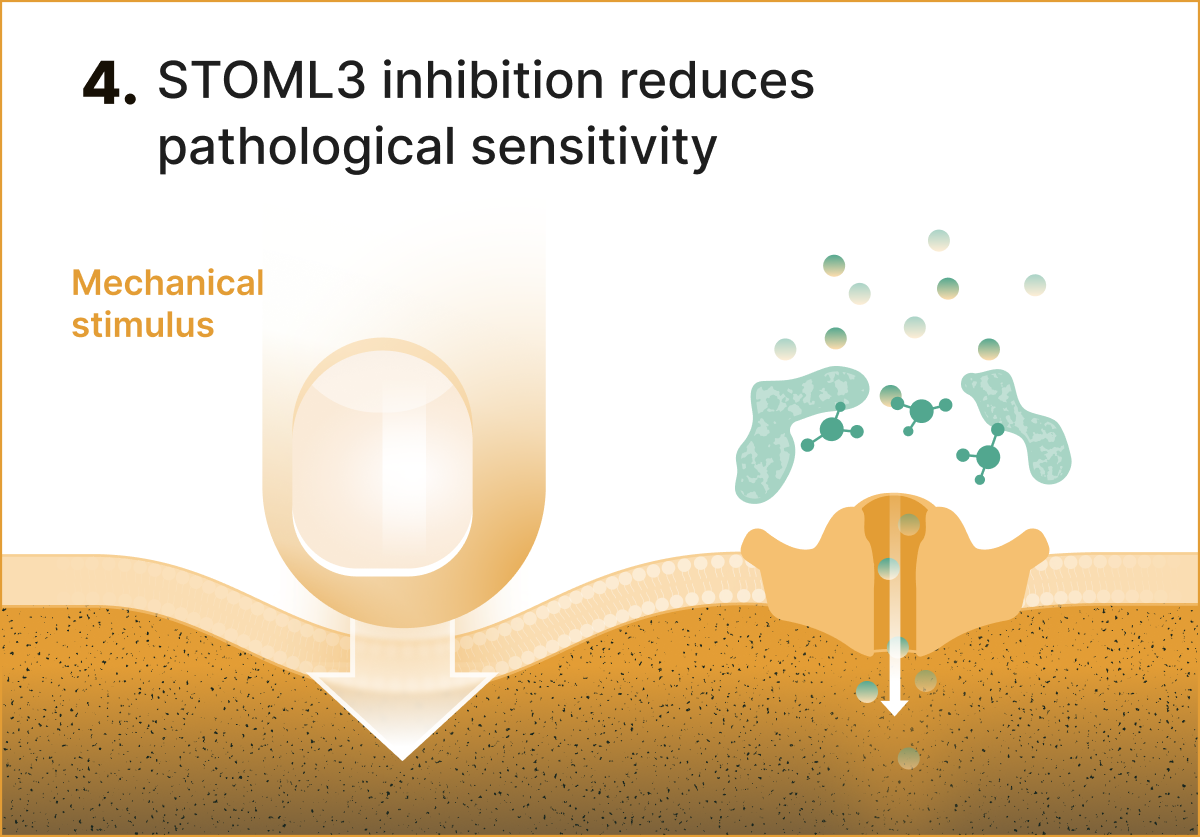
A new axis in neuropathic pain built from the biology up.
First-in-class touch channel modulation
Small molecules targeting STOML3 overexpression offer the potential to restore normal touch signaling without eliminating sensation.
Differentiated safety profile
Acting peripherally and reversibly on mechanosensory signaling avoids CNS side effects, dependence risk.
Treating pain at its source
Allothera targets the peripheral sensory biology behind touch-evoked pain without causing broad CNS pathway suppression.
Building toward a clinical candidate for mechanical allodynia.
STOML3 program currently in lead optimization and second undisclosed program in discovery stage. IP exclusively licensed from the Max Delbrück Center.
Management

Biochemist and Entrepreneur-in-Residence at the Max Delbrück Center, where Allothera's foundational science originated. Klaas bridges academic neuroscience and biotech commercialization.

25+ years in drug discovery, preclinical development, and translational strategy. Former senior roles at Oryzon, Jerini, and Apollo Health Ventures. Bringing deep experience in taking early-stage molecules toward the clinic.

Board-Certified Pharmacologist with 25+ years of experience in preclinical development. Has contributed to multiple approved analgesics.
Advisors




Hello Tomorrow Challenge 2026

bio:cap 2026

CDL Graduate 2026
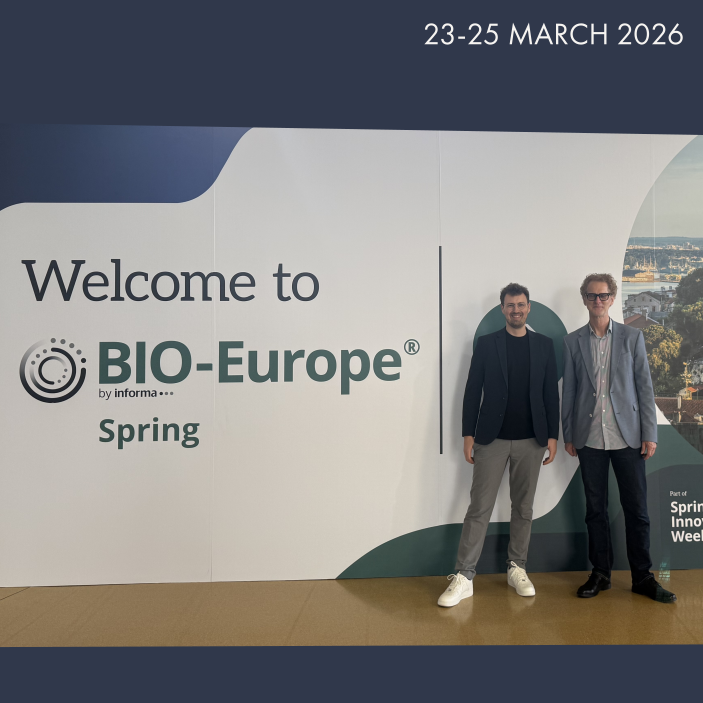
BIO-Europe Spring 2026
Most neuropathic pain drugs target the central nervous system broadly. They were designed for general pain, not for the specific symptom of touch-evoked pain. Allothera targets STOML3, a protein in peripheral sensory neurons that controls touch channel sensitivity. STOML3 interacts with touch channels like PIEZO2 and ELKIN and amplifies touch signals. Our approach modulates that response at the source, without CNS suppression, or shutting down normal sensation.
We are currently in lead optimization for our STOML3 program, with an initial lead series identified and exclusively licensed from the Max Delbrück Center. A second, undisclosed program is in discovery. We are building towards a clinical candidate.
The initial lead series is exclusively licensed from Max Delbrück Center. We are actively expanding the IP estate around the STOML3 mechanism and our lead compounds.
Yes. The foundational science is grounded in peer-reviewed work from the Lewin Lab at Max Delbrück Center. The landmark paper, Wetzel et al, Nature Communications, 2017, demonstrated that small-molecule STOML3 modulation reverses mechanical hypersensitivity in vivo. Additional validation includes a recent Science publication demonstrating the role of STOML3 in the modulation of ELKIN touch channels.
Post-herpetic neuralgia represents a well-defined patient population with a high prevalence of mechanical allodynia, making it the optimal first indication. The biomarker rationale is clear: STOML3 overexpression in sensory neurons correlates with the mechanical pain phenotype. A STOML3-based patient stratification biomarker is under development, which positions the program well for a biomarker-guided clinical strategy.